Thiophosgene Chemical About
Thiophosgene CAS No. 463-71-8
Thiophosgene is a highly reactive chemical compound with the molecular formula CClS and CAS No. 463-71-8. Also known as Thiocarbonyl Chloride or Carbonothioyl Dichloride, it is typically available as a red to reddish liquid and is widely used as a specialized reagent and chemical intermediate in organic synthesis. With its high reactivity, Thiophosgene is used for the preparation of various sulfur-containing compounds, including isothiocyanates, dithiocarbamates, thioureas, thiocarbonates and other valuable chemical intermediates.
Thiophosgene is particularly useful in pharmaceutical and agrochemical intermediate manufacturing, research laboratories and specialty chemical synthesis. It is also used for converting amines into isothiocyanates and in the synthesis of selected heterocyclic and sulfur-containing compounds.
Product Specifications:
- Product Name: Thiophosgene
- CAS No.: 463-71-8
- Chemical Formula: CClS / CSCl
- Molecular Weight: 114.98 g/mol
- Physical Form: Liquid
- Appearance: Red to reddish liquid
- Purity: As per customer requirement
- Application: Organic synthesis, pharmaceutical intermediates, agrochemical intermediates and specialty chemical manufacturing
- Solubility: Reacts/decomposes with water; soluble in many organic solvents
- Boiling Point: Approximately 73C
- Density: Approximately 1.501.51 g/cm
Applications:
Thiophosgene is used as a chemical intermediate and reagent in the manufacture of isothiocyanates, dithiocarbamates, thioureas, thiocarbonates, thiochloroformates and other sulfur-containing compounds. It finds applications across pharmaceutical research, agrochemical synthesis, specialty chemicals and advanced organic synthesis.
Packaging & Handling:
Thiophosgene is a highly toxic and reactive chemical and requires appropriate industrial handling, storage and transportation procedures. It should be kept in tightly closed, compatible containers under recommended controlled conditions and protected from moisture and incompatible materials.
Suitable for industrial, pharmaceutical and laboratory applications, Thiophosgene is supplied according to required purity, packaging and quantity specifications.
Essential Uses and ApplicationsThiophosgene is a versatile chemical mainly utilized in organic synthesis for the preparation of pharmaceuticals, agrochemicals, and specialty chemicals. Laboratories use it as a reagent, benefiting from its reactivity in various synthetic processes, including peptide coupling and the production of heterocyclic compounds. Its high purity and compliance with industry standards make it suitable for both industrial and laboratory-grade applications.
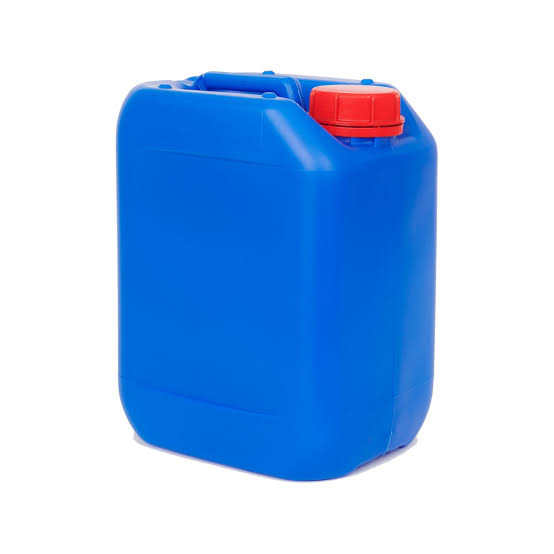
Safe Handling and StorageGiven its toxicity and sensitivity to moisture, thiophosgene requires careful handling. Always use appropriate PPE and operate in a well-ventilated area or under a fume hood. Store the liquid in tightly sealed HDPE drums or glass bottles, away from oxidizing agents, water, and bases, to maintain its stability. Adhering to recommended safety measures extends its shelf life to twelve months and minimizes hazardous exposure.
FAQ's of Thiophosgene Chemical:
Q: How should thiophosgene be safely handled during laboratory or industrial procedures?
A: Thiophosgene must be handled with care, utilizing personal protective equipment such as gloves, goggles, and lab coats. Work within a properly functioning chemical fume hood to avoid inhalation of vapors, and always ensure containers are tightly sealed when not in use to limit exposure and prevent hydrolysis.
Q: What are the recommended storage conditions for thiophosgene to maintain its stability?
A: Store thiophosgene in a cool, dry, well-ventilated location, away from heat, open flames, moisture, and incompatible chemicals such as oxidizing agents and bases. The container should be tightly closed, preferably HDPE drums or glass bottles, to prevent decomposition and contamination.
Q: When is immediate medical attention necessary while working with thiophosgene?
A: Immediate medical attention is required if thiophosgene comes into contact with skin, eyes, or is inhaled or ingested. Due to its high toxicity, accidental exposure can result in severe health hazards, making prompt first aid and professional medical care critical.
Q: Where is thiophosgene most commonly utilized?
A: Thiophosgene is primarily used in laboratories and chemical manufacturing plants engaged in organic synthesis. Its main roles are as a reagent or intermediate in the production of pharmaceuticals, agrochemicals, and specialty chemicals.
Q: What is the process for disposing of thiophosgene residues or waste materials?
A: Waste containing thiophosgene must be managed as hazardous chemical waste and should be disposed of by a licensed hazardous waste disposal facility, following local and international regulations to ensure environmental and personnel safety.
Q: What are the benefit and significance of using thiophosgene in organic synthesis?
A: Thiophosgene offers high reactivity and selectivity, enabling the efficient synthesis of valuable intermediates for pharmaceuticals and agrochemicals. Its use can streamline complex synthetic routes, making chemical manufacturing processes more effective.
 Send Inquiry



 Send Inquiry


 Send Inquiry


 English
 Spanish
 French
 German
 Italian
 Chinese (Simplified)
 Japanese
 Korean
 Arabic
 Portuguese
