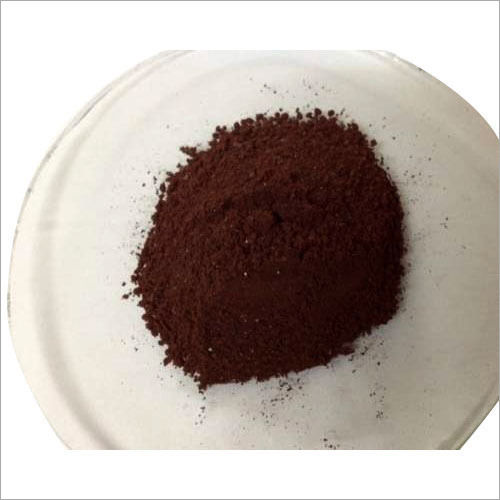
Natural Food Colors
Natural Food Colors

Natural Food Colors

Price 960 INR/ Unit

MOQ : 50 Units, ,

Natural Food Colors Specification

  • Refractive Rate
  • Varies depending on source compound
  • Boiling point
  • (varies depending on individual component)
  • Storage
  • Store in a cool dry place away from light and moisture
  • Other Names
  • Natural Pigments Plant-Based Colors
  • Melting Point
  • Varies depending on the chemical compound
  • Structural Formula
  • Varies depending on specific color component
  • Poisonous
  • No
  • Density
  • Gram per cubic centimeter(g/cm3)
  • HS Code
  • 3203.00.19
  • Taste
  • Neutral to slightly characteristic
  • Purity
  • Typically >90% coloring components
  • Molecular Weight
  • Varies by compound
  • Shape
  • Powder Liquid or Paste depending on type
  • Ph Level
  • Varies depending on source and form (generally pH 3-8)
  • Solubility
  • Varies (Water-soluble or oil-soluble depending on type)
  • Molecular Formula
  • Varies depending on the mechanism of the color compound
  • Form
  • Solid or Liquid
  • Smell
  • Odorless to mildly characteristic smell
  • Classification
  • Natural Colorant
  • Chemical Name
  • Varied depending on specific color (e.g. Curcumin Anthocyanin Betanin)
  • CAS No
  • Varies (e.g. 458-37-7 for Curcumin 528-53-0 for Betanin)
  • EINECS No
  • Varies (e.g. 207-280-5 for Curcumin 208-456-6 for Betanin)
  • Grade
  • Food Grade
  • Standard
  • Complies with FDA/EFSA standards
  • Type
  • Natural Pigment
  • Usage
  • Used as a food-grade coloring agent in beverages confectionery bakery dairy and more
  • Main Material
  • Biological sources (e.g. plants fruits vegetables)
  • Application
  • Food and Beverage Industry Cosmetics Pharmaceuticals


Natural Food Colors About

Product details

Form

Powder

Packaging Type

Bag

Brand

Indian Platinum

Shelf Life

5 years

Source

Plants

Packaging Size

25 kg

Pack Size

500 gms


FAQs of Natural Food Colors:


Q: What is the purity level of the natural food colors?

A: Typically, the natural food colors have a purity of over 90% coloring components.

Q: What is the main material used in the production of natural food colors?

A: The main material used in the production of natural food colors is biological sources such as plants, fruits, and vegetables.

Q: In which industries can natural food colors be used?

A: Natural food colors can be used in the food and beverage industry, cosmetics, and pharmaceuticals.

Q: How should natural food colors be stored?

A: Natural food colors should be stored in a cool, dry place away from light and moisture.

Q: Are natural food colors poisonous?

A: No, natural food colors are non-poisonous.

Tell us about your requirement
product

Price:

Quantity
Select Unit

  • 50
  • 100
  • 200
  • 250
  • 500
  • 1000+
Additional detail
Mobile number

Email

More Products in Industrial Chemical Category

Palladium Black Chemical

Palladium Black Chemical

Price 6000 INR / Gram

Minimum Order Quantity : 5 Grams

Density : 12.02 Gram per cubic centimeter(g/cm3)

Molecular Formula : Pd

Purity : 99.95%

Molecular Weight : 106.42 g/mol
Palladium Chemicals

Palladium Chemicals

Price 2850 INR / Gram

Minimum Order Quantity : 10 Grams

Density : 12.02 Gram per cubic centimeter(g/cm3)

Molecular Formula : Varies; example: PdCl2 (Palladium(II) chloride)

Purity : 99.9% 99.999% (varies by chemical)

Molecular Weight : 106.42 g/mol for Pd; varies by chemical form

Lanthanum Chloride-AR

Lanthanum Chloride-AR

Price 5000 INR / Kilograms

Minimum Order Quantity : 25 Kilograms, ,

Density : 3.84 Gram per cubic centimeter(g/cm3)

Molecular Formula : LaCl3

Purity : 99.9%

Molecular Weight : 245.26 g/mol

Chrome Black

Chrome Black

Price 21000 INR / Kilograms

Density : 5.21 Gram per cubic centimeter(g/cm3)

Molecular Formula : Cr2O3

Purity : 99%

Molecular Weight : 151.99 g/mol


Back to top
